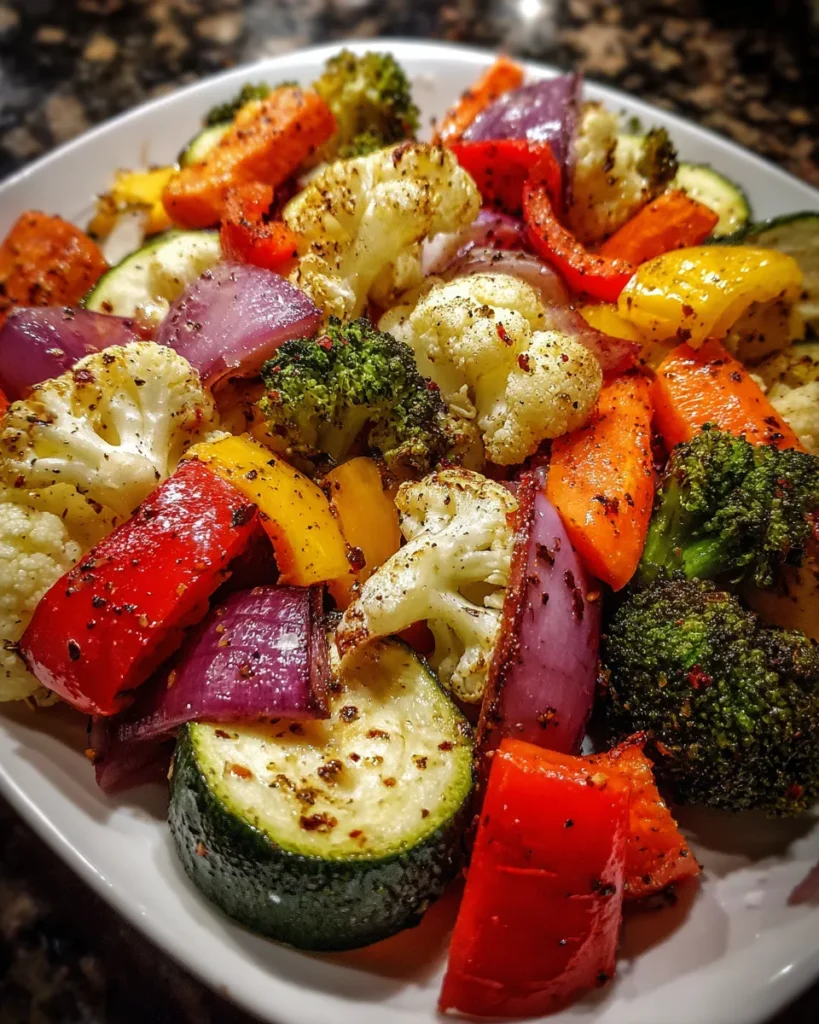
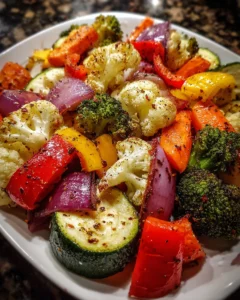
There’s something incredibly comforting about a tray of perfectly roasted vegetables fresh from the oven, and Irresistible Roasted Vegetables Oven Roasted Bliss captures that magic beautifully. This dish is ideal for busy weeknights, relaxed weekend dinners, or as a colorful side for family gatherings. With caramelized edges, tender centers, and rich savory flavor, roasted vegetables turn simple produce into something truly special.
The inspiration for this recipe comes from classic home cooking, where the oven does most of the work and allows natural flavors to shine. Roasting vegetables enhances their sweetness, deepens their flavor, and creates a satisfying texture that’s both hearty and wholesome. This recipe is simple, versatile, and endlessly customizable, making it a staple you’ll return to again and again.
Why These Roasted Vegetables Are So Irresistible
The beauty of oven-roasted vegetables lies in their transformation. High heat draws out moisture, concentrates flavor, and creates golden, crispy edges while keeping the inside tender. This recipe balances seasoning and timing perfectly, ensuring vegetables are flavorful without being overcooked.
Another reason this dish is so beloved is its flexibility. You can use whatever vegetables you have on hand, adjust the seasonings to suit your meal, and serve it as a side or even a main dish. Whether paired with pasta, grains, or protein, these roasted vegetables fit seamlessly into any menu.
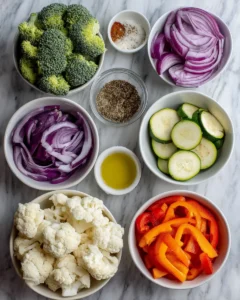
Ingredients for Oven Roasted Vegetables
-
2 cups broccoli florets
-
2 cups cauliflower florets
-
1 large bell pepper, sliced
-
1 large zucchini, sliced
-
1 large carrot, sliced
-
1 small red onion, cut into wedges
-
3 tablespoons olive oil
-
1 teaspoon salt
-
½ teaspoon black pepper
-
1 teaspoon garlic powder
-
1 teaspoon dried Italian herbs
-
½ teaspoon paprika
How to Make Irresistible Roasted Vegetables
Start by preheating your oven to 220°C (425°F). A hot oven is essential for roasting vegetables because it allows them to caramelize beautifully, developing deep, rich flavors while remaining tender inside. High heat also helps to create those slightly crispy, golden edges that make roasted vegetables irresistible.
Next, prepare your baking sheet by lining it with parchment paper. Parchment prevents sticking, makes cleanup easier, and ensures the vegetables roast evenly without burning. You can also use a silicone baking mat if you prefer, but parchment is ideal for even browning.
Choose a variety of vegetables for both flavor and color. Popular options include carrots, bell peppers, zucchini, broccoli, cauliflower, red onions, and cherry tomatoes. Wash and trim the vegetables as needed, cutting them into evenly sized pieces. Uniform pieces ensure even cooking so that no vegetable ends up undercooked or overdone.
Place all the prepared vegetables in a large mixing bowl. Drizzle generously with olive oil, which helps the seasonings adhere and promotes caramelization. The oil also adds richness and a slightly silky texture to the finished vegetables.
Season the vegetables with salt, freshly ground black pepper, garlic powder, Italian herbs, and smoked paprika. Salt enhances the natural flavors of the vegetables, while black pepper adds a subtle bite. Garlic powder infuses a gentle savory aroma without overpowering the vegetables, and Italian herbs, such as oregano, thyme, and rosemary, add an earthy, aromatic layer. Smoked paprika contributes a hint of smokiness and a rich, red color that makes the vegetables visually appealing. Toss everything thoroughly so that each vegetable piece is evenly coated in oil and seasonings.
Spread the seasoned vegetables in a single layer on the prepared baking sheet. Avoid overcrowding the pan, as overcrowding traps steam and prevents the vegetables from roasting properly. If necessary, use two baking sheets to ensure plenty of space for air circulation. Proper spacing ensures the vegetables develop those sought-after golden, caramelized edges rather than steaming and becoming soggy.
Roast the vegetables in the preheated oven for 25–30 minutes, stirring or flipping them halfway through. This helps them cook evenly and ensures that all sides get that perfect roasted color. Depending on your oven and the type of vegetables, cooking times may vary slightly. Denser vegetables like carrots or cauliflower may need a few extra minutes, while softer vegetables like zucchini or cherry tomatoes cook faster. Look for tender, golden-brown edges as a sign they are ready.
Once roasted, remove the vegetables from the oven and let them cool for a minute or two before serving. This short rest helps the vegetables retain their natural sweetness and allows flavors to meld. For extra freshness and flavor, you can finish the vegetables with a squeeze of lemon juice, a drizzle of balsamic glaze, or a sprinkle of fresh herbs such as parsley, thyme, or basil.
Roasted vegetables are incredibly versatile and can be served as a side dish, tossed into salads, mixed with grains like quinoa or rice, or added to pasta and sandwiches. They store well, too; simply refrigerate leftovers in an airtight container for up to 3–4 days and reheat in the oven to maintain their crisp edges.
By following these steps carefully, you’ll achieve vegetables that are tender, sweet, and deeply flavorful, with perfectly caramelized, slightly crispy edges. This simple roasting method brings out the natural flavors of each vegetable, making them a delicious and healthy addition to any meal.
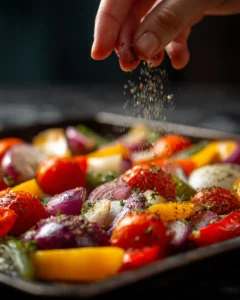
Tips for Perfect Oven Roasted Vegetables
-
Cut evenly: Uniform sizes ensure even roasting.
-
Don’t overcrowd the pan: Space allows vegetables to roast instead of steam.
-
High heat matters: Roasting at a higher temperature brings out caramelization.
-
Season well: Vegetables need enough salt and oil to enhance natural flavor.
Serving Suggestions
Serve these roasted vegetables as a side dish with pasta, rice, or grain bowls. They’re also perfect alongside grilled chicken, fish, or mixed into salads. Leftovers can be tossed into wraps, added to omelets, or served cold as part of a meal prep bowl.
Frequently Asked Questions
1. Can I use different vegetables?
Absolutely! Roasted vegetables are incredibly versatile, and you can swap in just about any vegetable you like. Sweet potatoes, Brussels sprouts, mushrooms, asparagus, and green beans all roast beautifully. The key is to adjust the cooking time based on the density and water content of each vegetable. Denser vegetables like sweet potatoes and carrots may require a few extra minutes, while softer vegetables like asparagus or mushrooms cook more quickly. You can also mix different vegetables in the same tray, just be mindful of their cooking times—consider adding quicker-cooking vegetables later in the roasting process or cutting larger vegetables into smaller pieces for even cooking.
2. How do I make sure vegetables get crispy?
Crispiness comes from proper preparation and spacing. First, make sure your vegetables are thoroughly dried after washing, because excess moisture creates steam and prevents browning. Next, toss them with enough oil to coat evenly—this helps promote caramelization and crisp edges. Spread the vegetables in a single layer on your baking sheet, leaving space between each piece. Overcrowding traps steam and will make them soggy instead of crispy. Roasting at a high temperature, around 200°C (400°F), and flipping halfway through ensures even cooking and maximum caramelization. You can also finish the vegetables under the broiler for an extra golden, crispy exterior.
3. Can I roast vegetables ahead of time?
Yes! Roasted vegetables can be prepared in advance and stored in the refrigerator for up to 4 days. To reheat, place them back in a hot oven at 200°C (400°F) for 5–10 minutes, which restores their crispiness better than microwaving. You can also toss them in a hot skillet with a small drizzle of oil to refresh the edges. Making vegetables ahead is perfect for meal prep, weeknight dinners, or preparing components for larger meals like grain bowls, pasta dishes, or salads. Just be careful not to store them with any sauce, as that can make them lose their crisp texture.
4. How can I change the flavor profile?
One of the best things about roasted vegetables is their adaptability. You can easily switch up seasonings to suit any cuisine or mood. For a warm, smoky flavor, try cumin, smoked paprika, or chili powder. For a brighter, fresher taste, add lemon zest, garlic, or fresh herbs like rosemary, thyme, or parsley. You can also drizzle balsamic vinegar or honey toward the end of roasting for a sweet-savory finish. Roasted vegetables take well to spices, herbs, and citrus, making them a blank canvas for endless flavor combinations. Experimenting with different seasonings keeps this simple side dish exciting and versatile.
Final Thoughts
Irresistible Roasted Vegetables Oven Roasted Bliss is proof that simple ingredients can create incredible results. With just a few vegetables, olive oil, and seasonings, you get a dish that’s flavorful, nutritious, and deeply satisfying. The roasting process brings out natural sweetness and creates textures that feel indulgent without being heavy.
This recipe is especially valuable because of its versatility. You can tailor it to the season, your pantry, or your main dish. It works just as well for a quick weeknight dinner as it does for holiday spreads or meal prep. Once you master this basic method, you’ll find endless ways to adapt it.
Whether you’re serving it as a comforting side, building it into a main meal, or enjoying leftovers the next day, these oven-roasted vegetables deliver warmth, balance, and flavor. It’s a timeless, dependable recipe that deserves a regular place in your kitchen rotation.